Travel · October 4, 2026
What Is a Police Clearance Certificate? Background Checks for a Move Abroad
4 min
Abstract
Residence permits, long-stay visas and some jobs abroad require proof of a clean record. Here is what a police clearance certificate is, where it comes from and how to stop it going out of date before you use it.
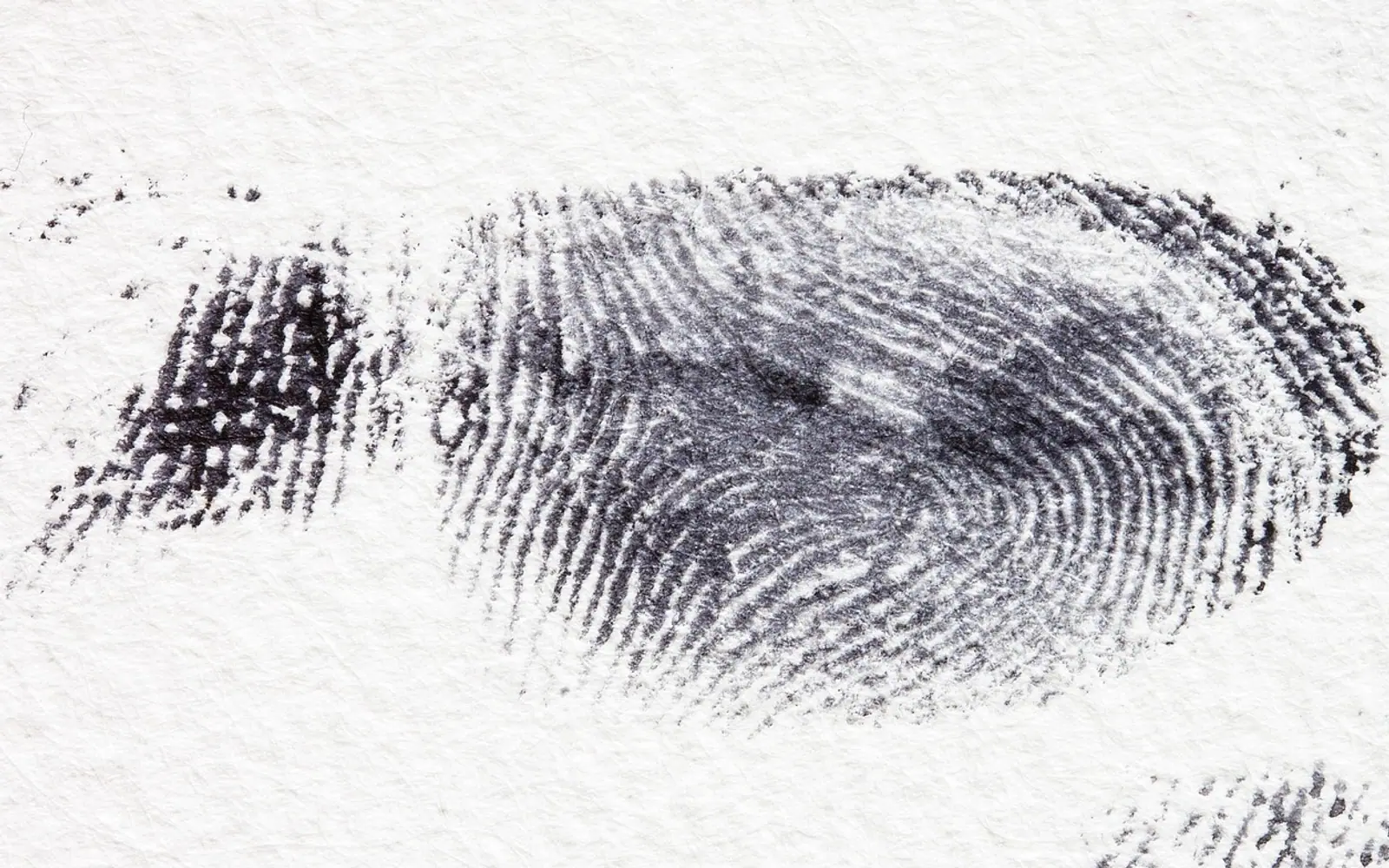
A police clearance certificate is an official record, issued by a police force or a justice ministry, stating whether a person has a criminal record in that country, or confirming that they have none. Immigration offices, long-stay visa programmes and certain employers ask for one so they can check the background of people who want to live or work there. You usually have to request it yourself, from every country the receiving authority names.
One document, many names
The paper goes by different titles depending on where it is issued, which makes searching for the right office harder than it should be. You may see it called:
- a police certificate or police check
- a certificate of good conduct
- a criminal record certificate or criminal record extract
- in the United States, an FBI Identity History Summary, often described as an FBI background check
The contents vary too. Some certificates list every conviction on file; others show only those that have not yet been treated as spent under local law; many simply state that no record was found. The receiving authority will say which version it accepts.
Who asks for one
A request for a police certificate usually comes from one of these directions:
- immigration departments handling residence permits and citizenship
- consulates processing work, family or digital nomad visas
- employers hiring for roles with children, vulnerable adults, finance or security
- adoption agencies and courts
- universities arranging placements in schools or hospitals
Which countries you may need it from
Most authorities want a certificate from your country of citizenship and from any country where you have lived for longer than a set period in recent years. Both the length of stay that counts and the number of years they look back are decided by the receiving authority, so read its checklist carefully. Some also want a certificate from the country you are living in at the moment of applying, even if you have only been there a short while.
How to get a police clearance certificate
- Read the requirements. Note which countries are needed, how recent each certificate must be, and whether it needs an apostille or a translation.
- Find the issuing office. It may be the national police, the justice ministry or the interior ministry. Former residents living abroad can often apply by post, online or through a consulate.
- Prepare your details. Expect to give your passport details, previous addresses and sometimes your parents' names or earlier surnames.
- Arrange fingerprints if asked. The FBI check in the United States is based on fingerprints, and some other countries work the same way. Authorised fingerprinting locations, police stations or consulates can take them, depending on where you are.
- Apply and pay. Keep the reference number and a copy of everything you sent.
- Certify it. Many receiving offices want an apostille or an authentication; our explainer on apostille vs authentication sets out the difference.
- Translate it. If the certificate is not in the destination's language, it will usually need a sworn or certified translation, covered in our guide to sworn and certified translation.
Timing: the validity trap
A police certificate rarely carries an expiry date, yet receiving authorities usually accept only certificates issued within a recent window, often a matter of months. Order it too early and it may be stale by the time your appointment arrives. Order it too late and processing, certification and translation can hold up the whole application. Planning backwards from the date you will submit your file avoids both problems.
| Work back from | What to check | Why it matters |
|---|---|---|
| Submission date | How old the certificate may be on that day | Sets the earliest sensible date to apply |
| Translation | The translator's turnaround | The translation comes last, after certification |
| Apostille or authentication | Processing time at the certifying office | Postal backlogs can add weeks |
| Issuing office | Its published processing time | Fingerprint-based checks can take longer |
If your record is not clean
A conviction does not automatically rule out every move, but the effect depends on the offence, how long ago it happened and the destination's rules. Never leave information out of an application in the hope that it will not be noticed; incomplete answers can cause more trouble than the record itself. If this applies to you, speak with a qualified immigration lawyer before submitting anything.
Quick answers
Is an FBI background check the same as a state check?
No. A state check covers records held by that state, while the FBI summary draws on federal records. Foreign authorities that ask US applicants for a police certificate frequently specify the FBI version, so confirm which one is required.
Can someone else apply on my behalf?
Some countries accept applications from an authorised representative or by post; others need you in person, especially when fingerprints are taken. The issuing office's guidance will say.
I lived somewhere years ago. Can I still get a certificate?
Usually, yes. Many countries issue certificates to former residents abroad, often through their consulates. Gather your old addresses and any local identification numbers before you start.
This article gives general information only. Requirements differ by country and change over time, so rely on the receiving authority's official guidance, and see our order of steps for moving abroad for where this document fits in the wider plan.