Travel · October 27, 2026
Late-Night Eats in Seoul: What to Order After Dark and How It Works
5 min
Abstract
Seoul keeps eating long after dinner. Here is what the late-night food scene usually looks like, from street tents and fried chicken to hangover soup and convenience stores, and how ordering, paying and sharing tend to work.
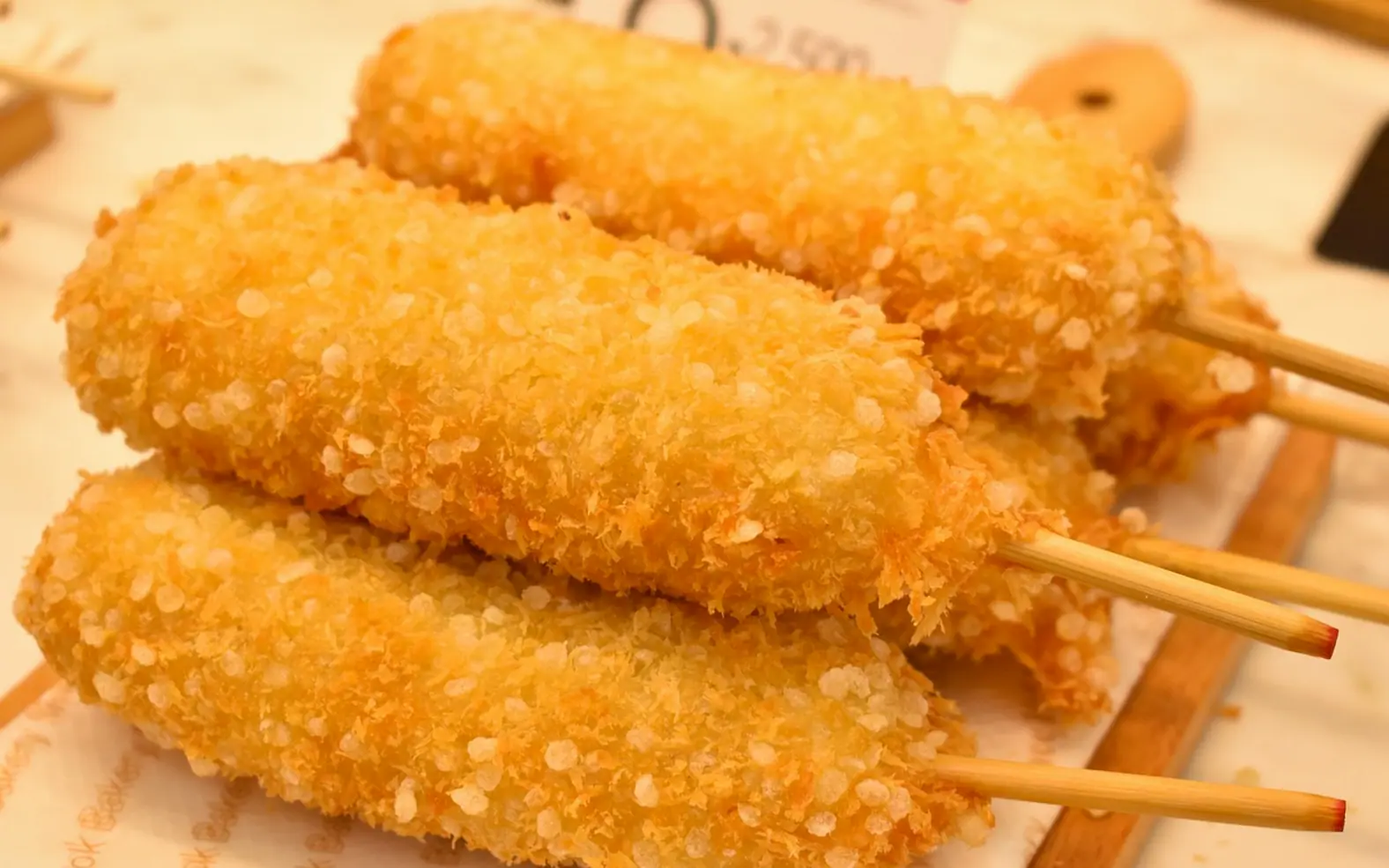
Seoul is one of the easier big cities to find a proper meal in after midnight. In most busy neighbourhoods you can choose between covered street tents, fried chicken shops, small noodle and dumpling counters, soup restaurants that serve through the night and convenience stores that never close, and delivery apps bring much of the same food to your door. The habits around ordering and paying are simple once you know them: food is usually shared, you often order per table rather than per person, and the bill is settled at the counter on the way out.
Where late-night food happens
Late eating in Seoul is spread across several kinds of places rather than concentrated in one. Each has its own rhythm, and knowing which one suits your mood makes the evening easier to plan.
Pojangmacha street tents
Pojangmacha are the orange or plastic-walled tents that appear on pavements in the evening, often near markets, subway exits and nightlife streets. Inside there are a few stools, a counter or small tables and a cook working over burners. Menus lean towards dishes that go well with a drink: stir-fried squid or octopus, fish cake skewers in broth, savoury pancakes, spicy chicken feet and simple omelette rolls.
Chimaek: fried chicken and beer
Chimaek, a blend of the words for chicken and beer, is probably the most familiar late-night order in the country. Chicken shops tend to offer a plain fried version, a sweet and spicy glazed one, a soy-garlic style and often a half-and-half platter so a table can try two. Pickled radish cubes arrive on the side to cut through the richness. It is a social meal, usually ordered as whole or half birds for the table rather than individual portions.
Tteokbokki and street snacks
Chewy rice cakes simmered in a red chilli sauce are sold from stalls and small shops well into the night. They are often paired with twigim (battered and fried vegetables, egg or seaweed rolls), sundae (a Korean blood sausage with glass noodles) and gimbap rolls. Dipping fried pieces into the tteokbokki sauce is normal and expected.
Haejangguk, the hangover soup
Haejangguk literally means soup to chase a hangover, and restaurants serving it are among the most reliable places to find open in the early hours. Versions vary: beef broth with cabbage and congealed blood, pollack soup, bean sprout soup, or a pork-bone stew. It is filling, warm and comes with rice and kimchi, which makes it a sensible end to a long night.
Late-night options at a glance
| Option | Typical food | How you order | Good for |
|---|---|---|---|
| Street tent | Skewers, stir-fries, pancakes | Point or ask the cook; dishes to share | Small groups, a relaxed drink |
| Chicken shop | Fried or glazed chicken, sides | Whole or half portions for the table | Friends, watching a match |
| Snack stall | Tteokbokki, fried bites, gimbap | Order at the counter, eat standing or on stools | A quick bite between stops |
| Soup restaurant | Haejangguk, stews with rice | One bowl per person | The very end of the night |
| Convenience store | Instant noodles, kimbap, snacks | Self-service, pay at the till | Solo travellers, tight budgets |
Convenience stores and late noodle spots
Korean convenience stores are a food stop in their own right. Most have hot water dispensers for cup noodles, microwaves for triangle kimbap and lunch boxes, and a few tables by the window or outside. Small noodle and dumpling shops also stay open late in many areas, offering knife-cut noodles, cold buckwheat noodles in summer and steamed or pan-fried dumplings, usually ordered from a short menu on the wall.
Delivery culture
Delivery is deeply woven into how Seoul eats. Fried chicken, jajangmyeon (black bean noodles), pizza, stews and even desserts can arrive at an apartment or, in some places, a park bench with a precise location. Ordering usually happens through local apps that require a Korean phone number and payment method, so visitors on short stays often rely on a hotel desk or a resident friend, or simply walk to the shop instead. Longer-term residents tend to set this up early; the article on settling in as an expat or long-term traveller covers the wider side of making a new city feel like home.
How to order, pay and share
- Call staff politely. In casual places, raising a hand or saying "jeogiyo" (excuse me) is the normal way to get attention; some tables have a call button.
- Expect shared dishes. Main plates go in the middle and everyone eats from them. Side dishes are usually refilled on request.
- Pay at the counter. The bill is often left on the table or kept by staff, and you settle at the till when leaving. Tipping is not part of the custom.
- Cards are widely accepted, though a small stall or tent may prefer cash. Visitors staying a while may want local banking; the guide on opening a bank account in another country explains what banks usually ask for.
- Splitting the bill is common among younger groups, while in some circles one person pays and another covers the next round or the next stop.
Food as part of a longer evening
A night out in Seoul often moves through stages: dinner, a second stop for snacks and drinks, and sometimes a third for singing in a private karaoke room, known as a noraebang, before a final bowl of soup. Late-night food fits around each stage rather than standing alone. Visitors who want to plan the singing part in Gangnam can find Korean-language guides on karaokeofgangnam.com that explain how room bookings and group visits usually work. Where alcohol is part of the night, know your limits, drink water between rounds and never drive afterwards; taxis and late buses are easy to find.
Common questions
Is it safe to eat late at night in Seoul?
Busy food streets are generally lively and well lit late into the night, and street food is cooked fresh in front of you. Ordinary care applies: choose places with steady turnover and keep an eye on your belongings in crowded spots.
Do I need to speak Korean to order?
Not really. Many menus have pictures, and pointing works at tents and stalls. Learning a few words, such as hello, excuse me and thank you, goes a long way and is appreciated.
The simplest approach is to follow the crowds: a full tent, a queue at a chicken shop or a soup restaurant busy at three in the morning is usually the clearest signal of where to sit down, share a few plates and see how the city spends its nights.