Tech · July 13, 2026
The Growing Role of AI Headshot Generators in Digital Identity
2 min
Abstract
A profile picture is often the first part of a person anyone sees. Recruiters scan it beside a CV, clients see it on a proposal, and conference organisers print it next to…
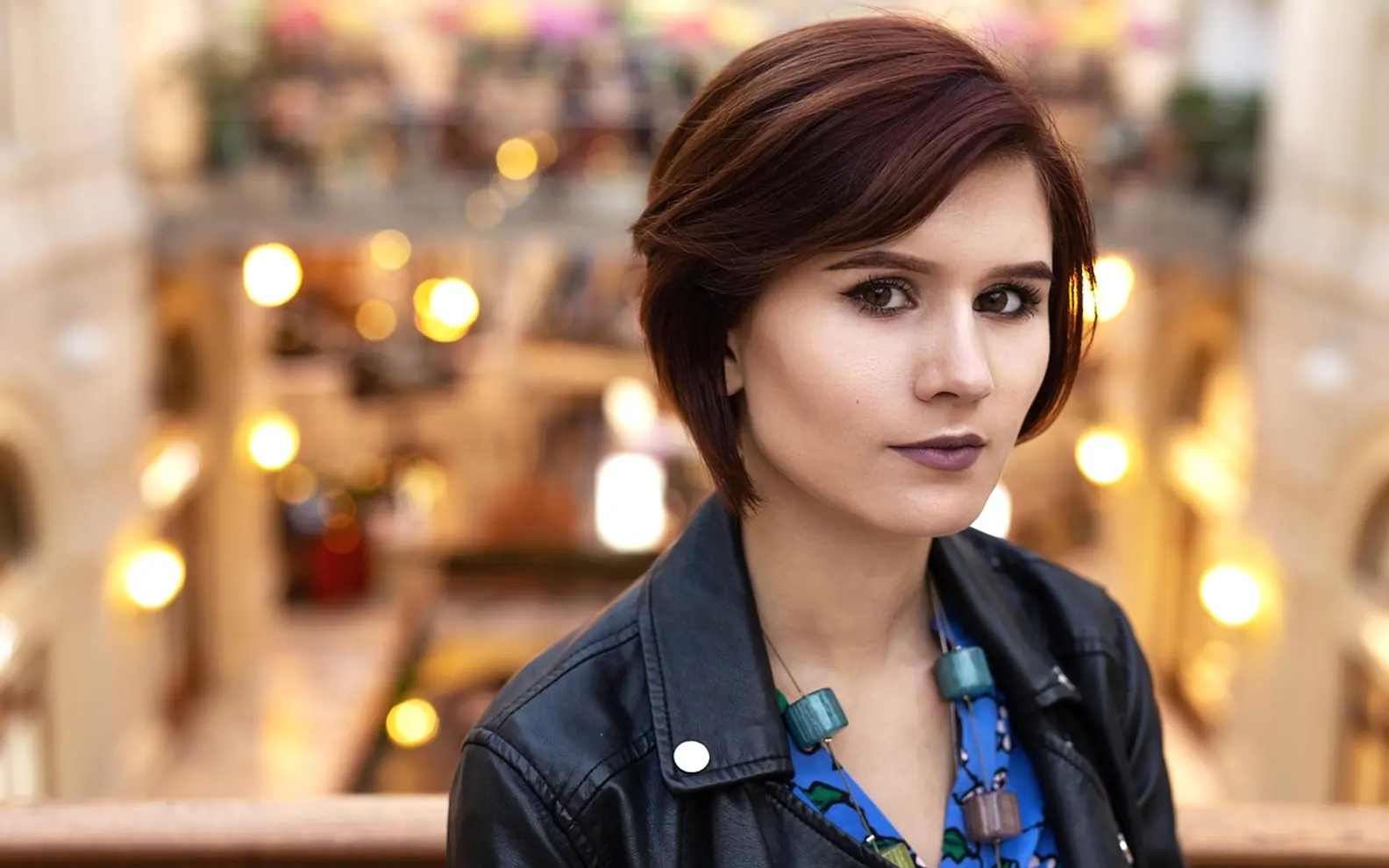
A profile picture is often the first part of a person anyone sees. Recruiters scan it beside a CV, clients see it on a proposal, and conference organisers print it next to a speaker bio. For years the only reliable way to get a polished portrait was a studio session. AI headshot generators have changed that, and their rise says a lot about how online identity now works.
What these tools actually do
The usual starting point is a handful of everyday selfies shot in reasonable light. The software studies facial features and produces a batch of portraits in different outfits, backgrounds and lighting styles. Users pick the results that look most like themselves and discard the rest. The appeal is speed and flexibility: a fresh set of images can be created in an afternoon rather than scheduled weeks ahead.
The tools suit job seekers, freelancers, founders or anyone refreshing their personal brand without booking a photographer. They are also useful for teams that want consistent staff pages, since everyone's portrait can share a similar background and tone even when people work in different cities.
Why consistency matters for digital identity
People rarely exist on one platform. A typical professional might have a networking profile, a company bio, a portfolio, a messaging avatar and a speaker page. When those images differ wildly in age, style or quality, the overall impression becomes muddled. A single, current headshot used across channels helps others recognise the same person and builds a sense of reliability.
- Use the same image, or a closely matched set, on every professional profile.
- Choose a background and clothing style that suit your field.
- Update the photo when your appearance changes noticeably.
Keeping it honest
The main risk with generated portraits is drifting too far from reality. Smoothed skin, altered features or an unfamiliar hairstyle can make the first video meeting feel strange for both sides. The best results look like you on a good day, not like a different person. It is worth asking a friend or colleague which images feel accurate before publishing any of them.
Privacy deserves attention as well. Before uploading photos, read how the service stores images, whether it uses them to train models and how to request deletion. Some employers and platforms also have policies on edited or synthetic images, so check those if your headshot will appear on official material.
Where this is heading
Generated portraits are likely to become one option among many rather than a replacement for photography. Studio sessions still make sense for press kits, book covers or brand campaigns, while AI tools fill the gap for quick updates and consistent team pages. Used thoughtfully, they make a professional image accessible to people who would otherwise rely on a cropped holiday snap, and that is a useful shift for anyone building a presence online.