Travel · September 27, 2025
Sustainability And Service: How Amsterdam Coffeeshops Modernize Their Operations
3 min
Abstract
Amsterdam's coffeeshops are small, tightly regulated businesses that share streets with homes, schools and canal-side cafés. That position shapes how they are run. Over recent years many operators have reworked the practical…
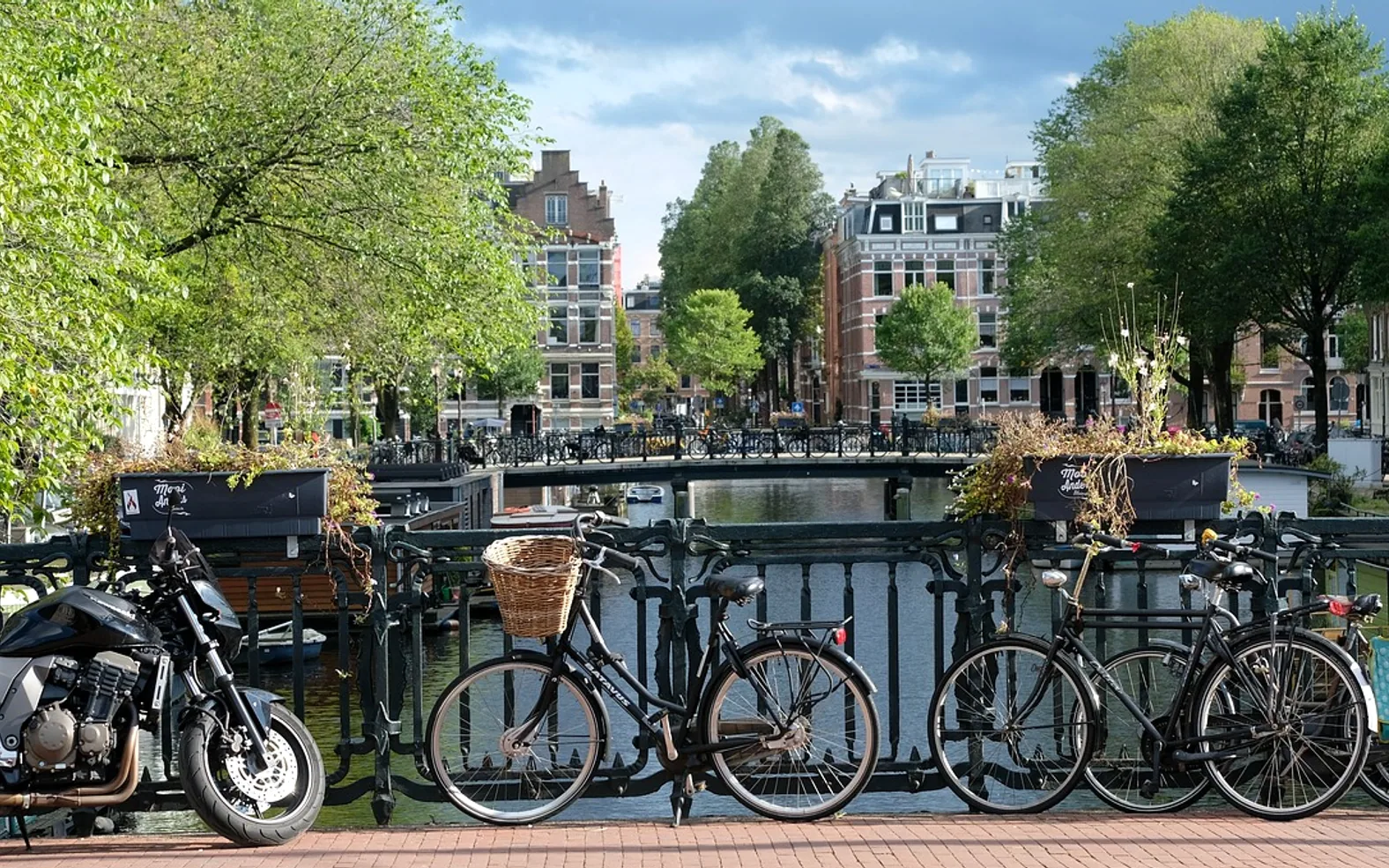
Amsterdam's coffeeshops are small, tightly regulated businesses that share streets with homes, schools and canal-side cafés. That position shapes how they are run. Over recent years many operators have reworked the practical side of the business: how a room is ventilated, what happens to rubbish, how staff greet and check visitors, and how the shop keeps the peace with the people living upstairs. This piece looks at those operational choices from a business and travel perspective, without comment on the products themselves.
One point comes first. Entry is for adults only, identification is checked at the door, and the rules are set by Dutch law and by each municipality, so they can change. Visitors should read up on the current local rules before planning a visit, and nothing here is a recommendation to use cannabis.
Air, heat and electricity
Ventilation is the biggest technical job in any enclosed venue where people gather for long periods. Air handling is usually the first thing an operator upgrades when planning a modern coffee shop Amsterdam residents and visitors will find comfortable to sit in. Typical upgrades include mechanical systems that swap indoor and outdoor air at a steady rate, filters that are changed on a written schedule, and controls that raise or lower output as the room fills and empties.
Lighting has followed the same path. LED fittings use less power and run cooler, which also lightens the load on the ventilation. Some shops add smart meters so the owner can see when consumption spikes and adjust opening routines accordingly.
Less waste on the counter and the pavement
Packaging is the most visible waste stream. Operators increasingly keep it minimal, choose paper or recyclable containers where packaging is unavoidable, and place clearly labelled bins inside rather than relying on street bins. Staff often do a sweep of the entrance at set times. For neighbours, a clean doorstep is one of the clearest signs that a shop takes its surroundings seriously.
- Separate bins for paper, plastic and general waste, with simple pictograms for international guests.
- Reusable cups and glasses for drinks served on site.
- A fixed collection contract so bags never sit on the street overnight.
Cleaning and hygiene routines
Hygiene in a busy room depends on habit more than on equipment. Many shops work from printed checklists that list surfaces, times and initials, which makes it easy for a manager to see whether the evening shift wiped down tables, door handles and card terminals. Microfibre cloths, concentrated detergents and low-water mops cut down on chemicals and water without lowering standards. Toilets, often the source of most complaints in any hospitality venue, tend to get their own checklist.
Staff, service and the neighbourhood
Service design matters as much as building systems. Staff are trained to check age and identification politely, explain house rules in several languages and spot guests who need water, fresh air or a quiet word. Digital menus on tablets or screens let visitors read product information calmly instead of crowding the counter, and some shops use them to display house rules and local regulations as well.
Relations with the street outside are the final piece. Operators who keep noise down at closing time, discourage loitering and give residents a direct contact number tend to have fewer conflicts with the municipality. For travellers, the takeaway is simple: these are licensed businesses operating under clear conditions, and respecting those conditions, including the adults-only rule and any local restrictions, is part of being a considerate guest in the city.