Business · August 10, 2023
Navigating the Path to Success: A Comprehensive Guide on Locating Food Distributors for Your Products
2 min
Abstract
A food product can taste excellent, look good on a shelf and still struggle if it never reaches the right stores. Distributors are the bridge between a producer and retailers, restaurants or…
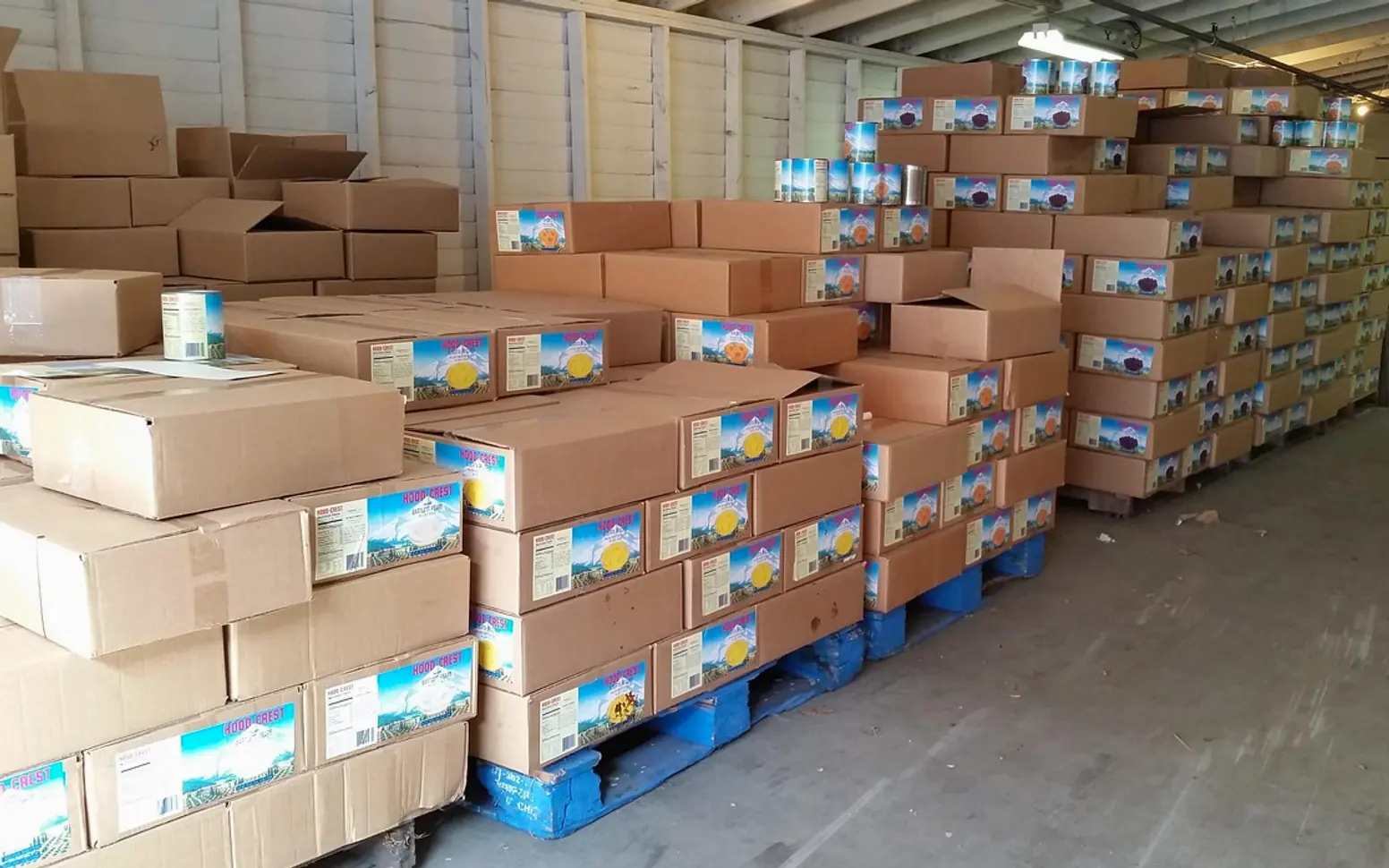
A food product can taste excellent, look good on a shelf and still struggle if it never reaches the right stores. Distributors are the bridge between a producer and retailers, restaurants or wholesalers, and choosing them well is one of the most important commercial decisions a small food brand makes. The search goes better when it starts long before the first phone call.
Get your house in order first
Distributors receive pitches constantly, and they quickly set aside brands that cannot answer basic questions. Before approaching anyone, prepare the essentials:
- Pricing structure: a price list with enough headroom for both the distributor and the retailer to earn their cut while your own costs stay covered.
- Product data: shelf life, storage temperature, case sizes, pallet configuration and barcodes.
- Compliance: labelling that meets the rules of each target market, plus any food safety certifications you hold.
- Capacity: a realistic view of how much you can produce if orders grow quickly.
Having this ready signals that the brand is serious and reduces back-and-forth later.
Where to find candidates
There are several routes, and most brands combine them. Trade fairs bring buyers and distributors together in one place and allow tasting on the spot. Industry associations and chambers of commerce often keep member directories. Retailers you would like to supply can tell you which distributors they already buy through. Online platforms that list food distributors by country and product category make it far easier to build an initial long list, particularly when a brand is looking at export markets it does not know well.
Narrowing the list
Not every distributor suits every product. Compare candidates on a few concrete points:
| Criterion | What to ask |
|---|---|
| Channel fit | Do they supply the stores or food-service clients you want to reach? |
| Portfolio | Do they carry complementary products rather than direct competitors? |
| Logistics | Can they handle chilled, frozen or ambient goods as your product requires? |
| Sales support | Will their sales team actively present your product, or simply list it? |
| Terms | What are their payment terms, minimum orders and marketing expectations? |
Check before you sign
Ask for references from other producers they work with and actually call them. Look into the company's financial standing and how long it has operated. Read the contract carefully, paying attention to exclusivity, territory, termination clauses and who pays for listing fees or promotions. A short trial period or a limited territory at first can reduce risk on both sides.
Making the partnership work
Signing is the beginning rather than the end. Share sales materials, samples and training for their team. Agree on regular check-ins to review sell-through and stock levels. Respond quickly when they report problems with packaging or delivery. Distributors tend to prioritise brands that are easy to work with and that help them sell.
Over time, the right partners become a genuine extension of the business, and the effort spent choosing them carefully pays back in steadier growth.