Social media · October 19, 2024
How AI Is Changing Industries: The Latest Innovations Shaping the Future
2 min
Abstract
Artificial intelligence used to be discussed as a distant prospect. It now sits quietly inside software that many people use every day: email filters, map routing, product recommendations and photo search. The…
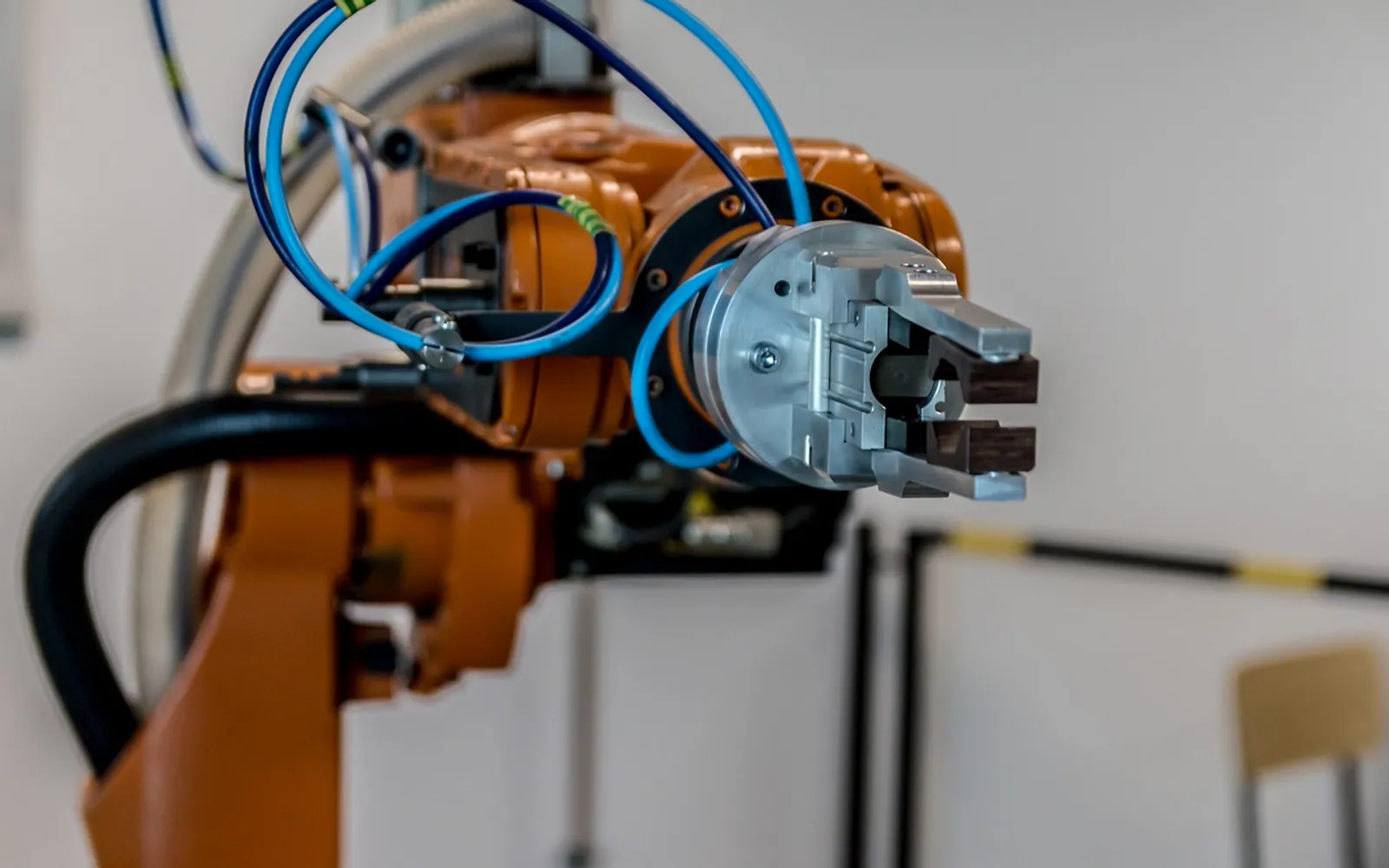
Artificial intelligence used to be discussed as a distant prospect. It now sits quietly inside software that many people use every day: email filters, map routing, product recommendations and photo search. The more interesting story is what happens when whole sectors start building their workflows around it. The changes are uneven, sometimes overstated and often more mundane than headlines suggest, but they are real.
Medicine: a second pair of eyes
In clinical settings, AI tools are used to help sort medical images, flag results that deserve a closer look and draft routine paperwork so staff can spend more time with patients. Researchers also apply machine learning to sift through candidate molecules during early drug research. In each case the software supports professionals rather than replacing their judgement, and anyone with a health concern should still speak to a doctor rather than rely on an app.
Retail and customer service show similar shifts. Shops use prediction models to estimate demand, plan stock levels and set up personalised suggestions. Chat assistants handle common questions such as delivery times or returns, passing harder cases to people. The best implementations are almost invisible: customers simply find what they need faster.
Logistics, energy and farming
- Route planning: delivery firms combine traffic, weather and order data to sequence stops more efficiently.
- Maintenance: sensors on machines feed models that spot unusual vibration or heat before a breakdown.
- Grids: utilities use forecasting to balance supply from wind and solar against expected demand.
- Agriculture: drones and cameras help growers spot pests, water stress or disease in specific parts of a field.
Media, marketing and social platforms
Social networks lean heavily on recommendation systems that decide which posts appear first. Marketers use AI to test headlines, generate first drafts and analyse which audiences respond to which messages. Video editors rely on automatic captioning and transcription, which has also made content more accessible to viewers with hearing loss. These tools speed up production, yet they still need human editing for tone, accuracy and context.
What still holds AI back
Models can be confidently wrong, reflect biases in their training data or behave unpredictably when conditions change. Privacy rules limit how personal data may be used, and many organisations lack clean, well-labelled information to train on. Good projects start with a narrow problem, measure results honestly and keep a person responsible for final decisions.
Getting started without a technical background
Understanding the basics no longer requires a computer science degree. Plenty of free courses, explainers and community projects introduce the core ideas in plain language. Educational hubs such as aiforeveryone.org collect learning materials and practical examples for people who want to see how these tools could fit their work or business. A sensible approach is to pick one repetitive task in your own day, try a tool against it for a few weeks and judge the outcome on its merits.