Business · February 19, 2024
Time-Saving Tips: Streamlining Your Waste Disposal Process with Container Rentals
2 min
Abstract
Rubble, packaging and old fittings pile up quickly on any renovation or building site. When waste removal is an afterthought, crews end up stepping around heaps, waiting for collections or making extra…
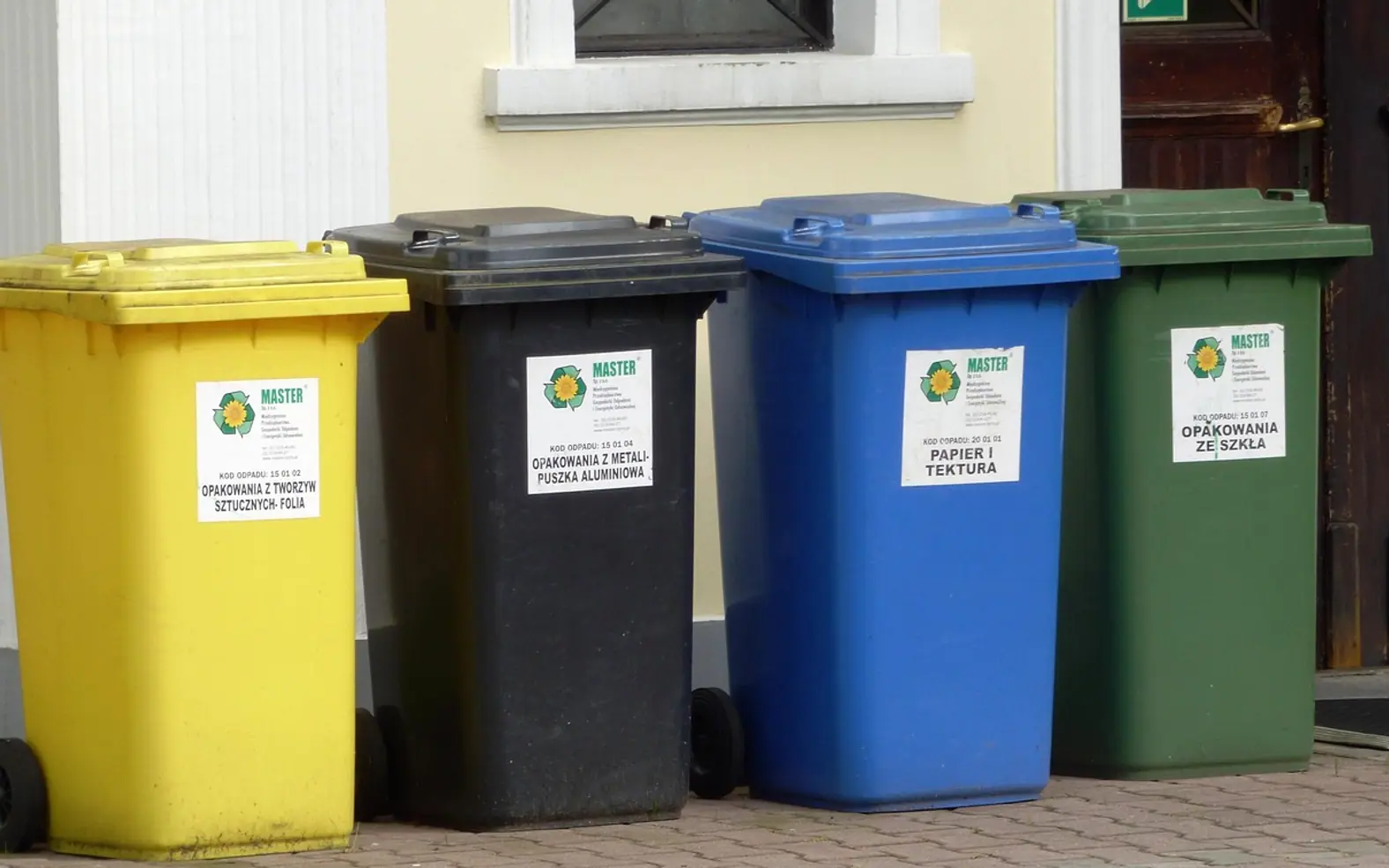
Rubble, packaging and old fittings pile up quickly on any renovation or building site. When waste removal is an afterthought, crews end up stepping around heaps, waiting for collections or making extra trips to the tip. A rented container solves much of that, but only if it is planned as part of the job rather than ordered at the last minute. The tips below follow a project from start to finish.
Before work begins
Start by listing what the project will produce. Demolition creates heavy mineral waste such as concrete, brick and tiles. Fit-out work generates lighter but bulky material like packaging, offcuts and insulation. Some jobs also turn up materials that need special handling, for example old paint, adhesives or asbestos-containing products, which must never go into a general container and should be checked with the local authority or a specialist.
With that list in hand, talk to the rental company about size and timing. A local specialist for bauschutt entsorgen hanau can explain which container suits heavy rubble, how full it may be loaded and how quickly a swap can be arranged, so the crew is never waiting with full wheelbarrows.
Choosing size and placement
| Decision | Time-saving approach |
|---|---|
| Container size | Match it to the busiest phase, not the average week |
| Number of containers | Consider a separate one for clean rubble if volumes are high |
| Location | Close to the work area, on firm ground, with a clear path for the delivery truck |
| Permits | Check early whether placing it on a public road needs approval from the municipality |
Placement deserves more thought than it usually gets. A container at the far end of a driveway adds minutes to every load, and those minutes add up across a working week. At the same time it must not block access for neighbours, emergency vehicles or the next delivery.
During the project
- Set up small collection points for different materials so workers sort as they go.
- Break down large items before loading to make better use of the space.
- Load only up to the marked edge, because a heaped container can be refused at pickup.
- Assign one person to watch the fill level and call for a swap in good time.
- Cover the container overnight if rain or loose material blowing away is a concern.
Sorting on site is the step that saves the most time later. Mixed loads often cost more and may need to be re-sorted, while clean rubble or wood can usually be handled more simply.
Wrapping up the job
Book the final collection for the day after the last messy task, not the last day on site, so there is a buffer for anything forgotten. Walk the area once the container leaves to check for debris and any marks on paving. Keeping notes on how many swaps the project needed makes the next quote faster and more accurate.
Handled this way, waste removal stops being a bottleneck and becomes one more scheduled part of the build.