Household · June 27, 2024
Guiding the Way: The Best Outdoor Pathway Lights for Your Garden
2 min
Abstract
A garden path that disappears after sunset is both a trip hazard and a missed opportunity. Low, well-placed light turns a walkway into a guide, picks out the edges of beds and…
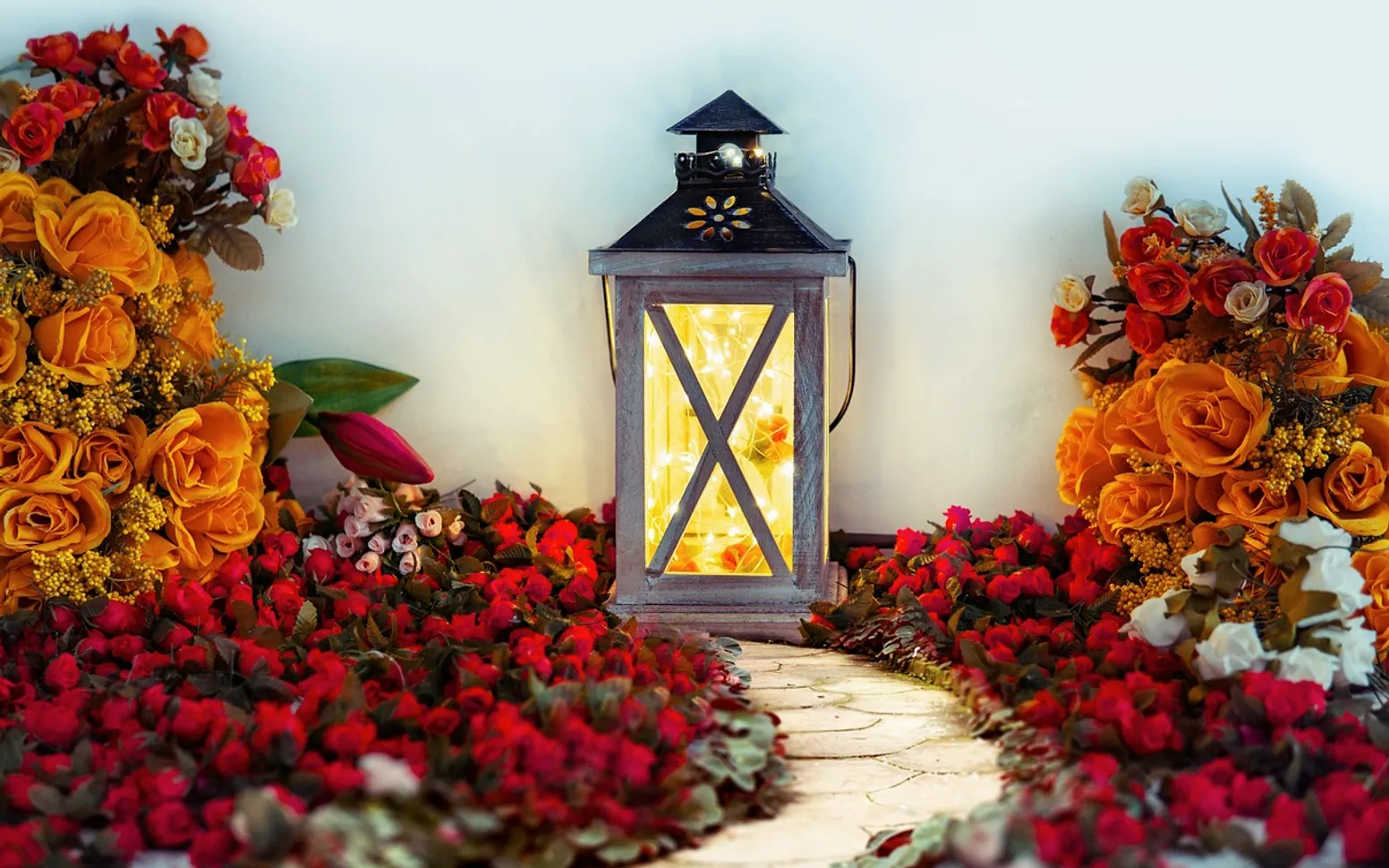
A garden path that disappears after sunset is both a trip hazard and a missed opportunity. Low, well-placed light turns a walkway into a guide, picks out the edges of beds and steps, and makes the outdoor space usable on long summer evenings. The trick is choosing a type of fitting that suits the layout, the budget and how much maintenance you are willing to do.
Three ways to power a path light
| Type | Strengths | Things to weigh up |
|---|---|---|
| Solar | No cabling, easy to move, no running cost | Output depends on sunshine; shaded spots and winter months reduce performance |
| Low-voltage (transformer-fed) | Steady, consistent light; safer to install than mains; easy to add timers | Needs a transformer near a socket and buried cable runs |
| Mains-powered | Strong, reliable output for long or busy routes | Usually requires a qualified electrician and outdoor-rated fittings |
Many gardens end up with a mix: solar stakes along sunny borders and a wired run where the route matters most, such as the stretch between the gate and the front door.
Brightness and colour
Path lighting should be gentle. The aim is to show the surface and its edges, not to floodlight the lawn. Warm white tends to flatter plants, stone and timber, while cooler white can feel stark at night. Downward-facing heads or shielded caps stop glare dazzling anyone walking past and reduce light spilling into neighbours' windows and the night sky. Integrated LEDs are now standard in most designs, which keeps energy use low and spares you from changing bulbs.
Spacing and placement
- Walk the route in the dark. Note where you hesitate: steps, bends, changes in level and the point where the path meets the drive.
- Stagger rather than line up. Alternating fittings on either side of a path looks more natural than a runway of evenly spaced posts.
- Leave pools of shadow. Overlapping circles of light flatten the garden; small gaps keep depth and atmosphere.
- Mind the mower. Set stakes back slightly from lawn edges so they survive trimming.
Materials that last
Outdoor fittings face rain, frost and the occasional kick. Look for a suitable ingress protection rating for outdoor use, sealed joints and bodies made from stainless steel, powder-coated aluminium, brass or tough composite. Brass and copper weather to a soft patina, which suits cottage-style planting, while slim black or graphite posts sit well in modern gardens with gravel and grasses.
Specialist retailers make it easier to compare styles side by side. A dedicated range of pathway lights lets you match heights, finishes and beam shapes across one garden, so the walkway, patio and planting areas feel like part of the same scheme.
Small extras worth considering
Dusk-to-dawn sensors and simple timers stop lights burning when nobody is outside. Motion-activated fittings near gates add a sense of security without lighting the garden all night. Finally, check fittings at the start of each season: clear leaves from solar panels, tighten loose stakes and wipe lenses so the light reaches the path rather than the grime.